

By Tannistha Sinha | Houston Defender | Word In Black

(WIB) – The Feed the Soul Foundation raised more than $100,000 in scholarships for underrepresented culinary and hospitality students at historically Black colleges and universities (HBCUs) and Hispanic-Serving Institutions (HSIs).
The nonprofit supports marginalized culinary businesses and students through grants and scholarships. It raised these funds at the Global Culinary Conference, during which renowned chefs curated a five-course dinner, assisted by aspiring culinary students at the Houston Community College.
If you like this article, please consider donating to support the Defender.
“We could not be more thrilled about the turnout of our Inaugural Heart & Soul Culinary Scholarship Dinner,” said Executive Director of Feed the Soul Foundation Juana Collins. “The food and ambiance were spectacular, and we hit our fundraising goal! Thank you to all of our sponsors, donors, and chefs who helped make the event such a success.”
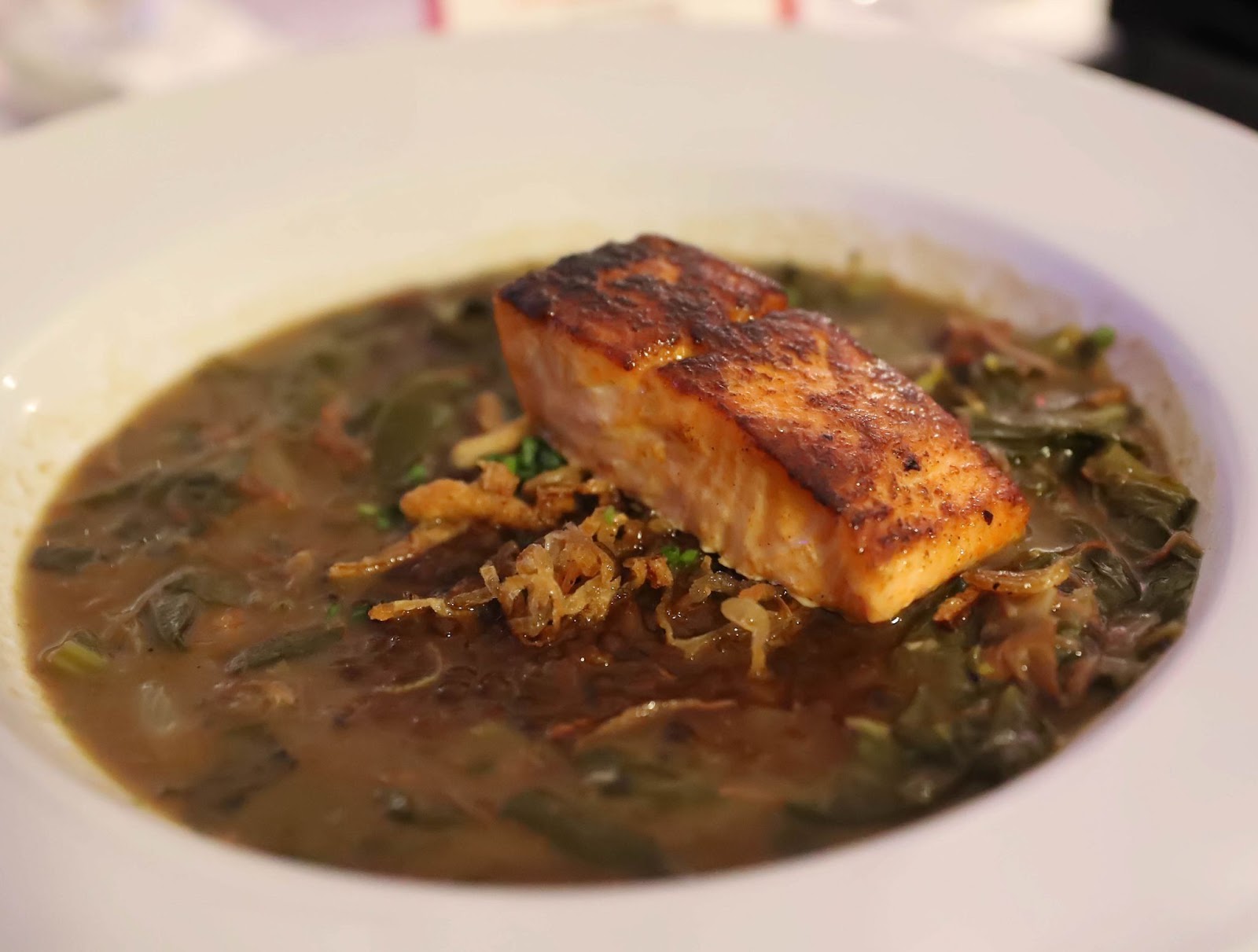
Guests relished hors d’oeuvres of deviled eggs and chicken and waffle bites prepared by chef Chris Williams, a James Beard Award Finalist and founder of Lucille’s Hospitality Group, which comprises Michelin-recommended Late August, Lucille’s, and Rado Market. This was followed by a lavish dinner featuring a salad, soup, entrees and dessert prepared by popular chefs like Patricia Delgado, Dayanny De La Cruz, Mark Holley, Shannen Tune and Emannuel Chavez while being serenaded by the Urban Orchestra.
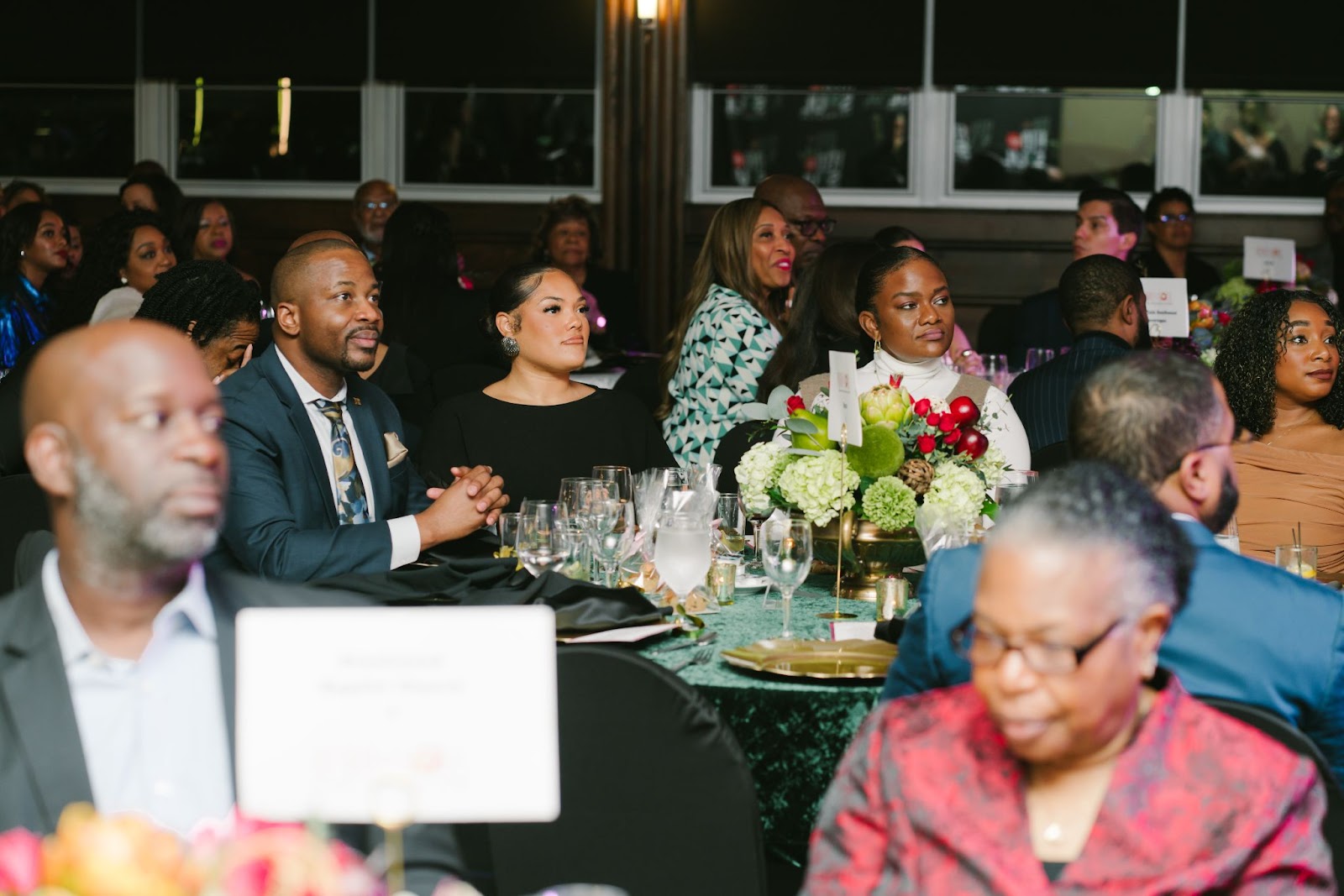
More than 200 guests attended the inaugural dinner, including Councilman Edward Pollard, Harris County Commissioner Rodney Ellis, James Beard Award-winning chef, New York Times bestselling cookbook author, and TV personality JJ Johnson, former district judge Vanessa Gilmore, founder and managing partner at Black Restaurant Week Warren Luckett, and chairs Brittany Gilmore and Kathryn Elise and Gaynell Drexler.
The four-day conference included business workshops, boot camps, coaching, interactive sessions with chefs on scaling culinary businesses, networking events and master classes for food entrepreneurs.
“The restaurant scene here is just…thriving, but we wanna also highlight the cultural influences that we have in Houston,” said Kathryn Drexler. “Houston is such a diverse city, but oftentimes our folks, the diasporas, we don’t see as much funding and resources as other groups of people. This is a mission to bridge equity gaps, offer scholarships and grow that next generation of aspiring culinarians and food artists.”
Why these conferences are important
According to the National Restaurant Association 2024 Industry Report, restaurateurs are facing increasing challenges, including higher labor and food costs and lower profits.
“We know that restaurants are, quite frankly, some of the hardest businesses to get into, and you have a ton of turnover, and there are restaurants that start with great ambitions and just don’t succeed,” Gilmore said. “The hope of this foundation is to empower folks who really have that passion for cooking to also have the skills that they need to be able to run restaurants and businesses so that they can continue to be successful.”
The Independent Restaurant Coalition says 500,000 restaurants and bars are facing challenges due to lost revenue and increased debt. Also, 1.1 million minority-owned businesses encounter disparities when it comes to acquiring funding.
“COVID-19 changed the landscape since 2020,” said Warren Luckett, co-founder of Feed the Soul Foundation. “Now, the price of food is soaring. From being overlooked for revitalization funds to inflation, most Black-owned culinary businesses cannot afford advertisements/PR/marketing to build awareness and attract customers.”
The foundation, which aims to address these challenges, also started the Restaurant Business Development Grant Program, which in September 2024 awarded more than $850,000 with additional contributions from Stella Artois.
By the end of 2023, the foundation invested $1,985,000 in financial and business development in 84 marginalized culinary businesses, provided culinary businesses across the nation with $46,000 in emergency funds, awarded $76,000 in scholarships to high school culinary programs, HBCUs, and HSIs, and distributed $59,000 in student stipends.
Gilmore said the foundation aimed to give young chefs the resources to pursue culinary careers.
“Houston is one of the most diverse cities in the nation…There are tons of cultural diversity, and it’s really the potential of allowing all of these people to be able to connect, to share stories, and also to share resources,” Gilmore said.

Kathryn Drexler echoed the sentient, stressing the sense of community in Houston.
“You can go in so many neighborhoods in Houston and find great restaurants nowadays,” she said. “In other cities…people might not rally in the community, but in Houston, we do,” she said. “When we bridge those gaps, when we promote the visibility of these new restaurants and emerging concepts, we have so much to offe,r and people are finding out about it.”
Chefs chime in
Shannen Tune has cooked in cities across the country, including New Jersey, New York, Los Angeles, Las Vegas, Austin, and Houston.
Houston’s diverse culinary scene attracted him.
“I was very shocked when I got here because, in my mind, I thought Houston was just steak houses and barbecue,” Tune said. “And then when you get here, you find all the different, different ethnic zones, where you can get great West African food, Indian food, Pakistani food, amazing Chinese and different Asian ethnic foods.”
While he started in spaces where “not too many people looked like him,” today, he wants to support chefs from diverse backgrounds who bring varied perspectives into their food, Tune said.
For Rado Market and Cafe chef Jaden Gaines, food has always been about her roots. Brought up in the Third Ward, she wanted to give back to her community.
“Some of the ways that can solve the opportunities are just more opportunity, more representation of Black people or minorities…being in those specific fields,” Gaines said. “A lot of people come here, and they know I’m the chef, and they come here because it’s led by me or ran by me…just community speaking with one another, knowing one another.”
Chef Williams, however, is addicted to the “chaos” of the culinary arts, where he has the “room to play. At Lucille’s, he experiments with southern food with European influences, but in Late August, the primary cuisine is Afro-Mexican.
To bring these myriad tastes to his food, Williams has traveled around the world, working in eateries in Lithuania, England, Ukraine, Albania, Serbia, Korea, Vietnam and China.
His advice to young chefs is simple—forget the “glamor” of the profession but pursue it out of the passion for food.
This post appeared first on Houston Defender.